
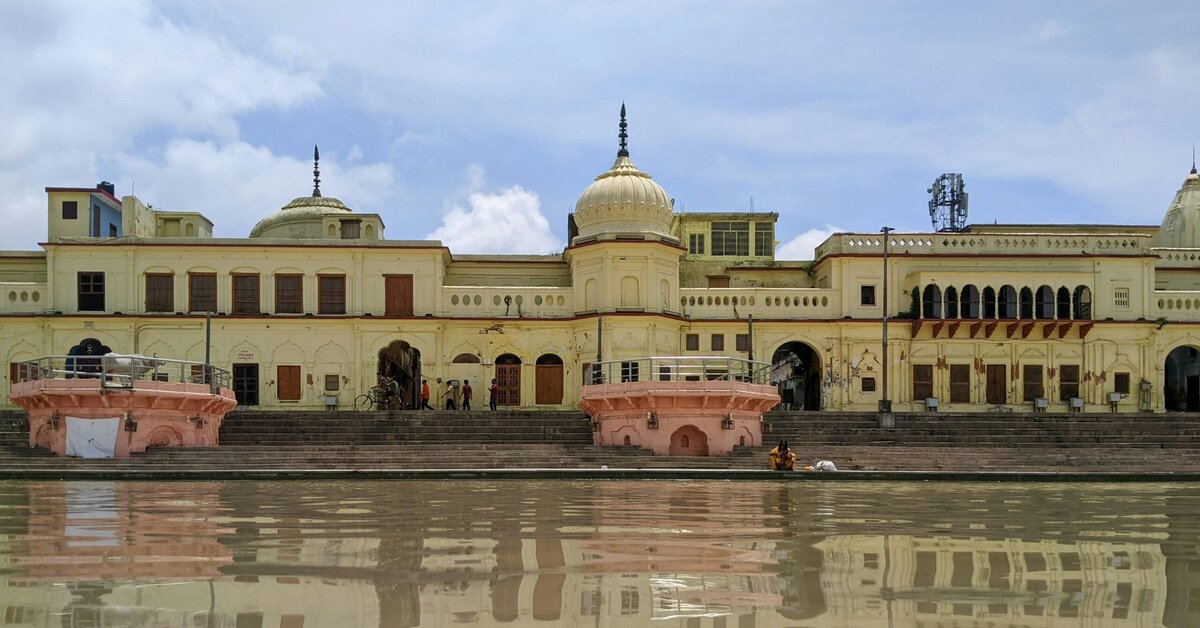
Family Pilgrimage Tour Covering 3 Holy Cities , Remember how your grandmother’s eyes lit up when she told stories of visiting sacred temples with her parents? Those weren’t just vacation memories—they were spiritual foundations that shaped her entire life. Now imagine creating those same transformative memories for your own children while honoring your parents’ lifelong dreams of pilgrimage. A family tour covering three holy cities isn’t just about ticking off religious destinations; it’s about weaving together three generations through shared devotion, creating stories that will echo through your family for decades to come.

Why Multi-City Family Pilgrimages Matter
Creating Spiritual Memories Together
Family Pilgrimage Tour Covering 3 Holy Cities , There’s something profoundly bonding about families experiencing spirituality together away from daily routines. When your eight-year-old daughter witnesses her grandfather’s tears of joy at Ram Janmabhoomi, or your teenage son helps his grandmother climb temple steps, these moments create emotional connections that ordinary vacations never achieve. Shared pilgrimage becomes shared heritage—everyone returns with common reference points that strengthen family identity.
Unlike separate individual pilgrimages or sending only elders while youngsters stay home, family tours ensure spiritual transmission happens naturally. Children absorb devotion by witnessing their parents’ and grandparents’ prayers. Teenagers who might otherwise resist “boring religious stuff” find themselves unexpectedly moved when experiencing faith in family context. Parents fulfill duties to both their parents (facilitating their elders’ pilgrimages) and their children (providing spiritual education). This intergenerational continuity is precisely how Hindu tradition has survived millennia.
Educational Value for Children
Family Pilgrimage Tour Covering 3 Holy Cities , Modern education often neglects cultural and spiritual knowledge. School teaches children about ancient civilizations but not their own living traditions. A three-city pilgrimage becomes an immersive educational experience—history, mythology, geography, architecture, and philosophy learned through direct experience rather than textbooks. Children visiting Ayodhya don’t just read the Ramayana; they walk where Ram walked, making the epic personal and real.
The multi-city aspect adds depth—they understand connections between different aspects of Hinduism. Varanasi shows Shiva worship and concepts of liberation. Ayodhya demonstrates dharma through Ram’s story. Prayagraj teaches the sacred power of rivers and ritual purification. These aren’t disconnected facts but an integrated spiritual worldview. Years later, when these children encounter Hindu philosophy or mythology in any context, they’ll have vivid personal memories grounding abstract concepts in concrete experience.
Choosing Your Three Holy Cities
The Classic Triangle: Varanasi–Ayodhya–Prayagraj
This combination represents the most popular three-city pilgrimage circuit for excellent reasons. All three cities lie within Uttar Pradesh, minimizing travel distances (total circuit roughly 500-550 km). Roads connecting them have been significantly upgraded. Each city offers distinct spiritual experiences while collectively providing comprehensive immersion in Hindu tradition.
Varanasi introduces the Ganga’s spiritual power and Shiva’s cosmic significance. Ayodhya brings mythology alive through Ram’s birthplace and Ramayana sites. Prayagraj offers the sacred confluence where three rivers meet, perfect for ritual bathing. The geographical proximity allows comfortable pacing—you’re not spending excessive time in vehicles, leaving more energy for actual spiritual experiences. For first-time family pilgrimages, this triangle offers the ideal balance of variety, manageability, and profound spiritual significance.
Alternative Sacred Combinations
Depending on family traditions or specific devotional preferences, other three-city combinations work beautifully:
Haridwar–Rishikesh–Dehradun: Perfect for families seeking Himalayan spirituality, yoga culture, and mountain scenery alongside temple visits. Distances are minimal, and the cooler climate suits families traveling with young children or elderly during hot months.
Mathura–Vrindavan–Agra: Ideal for Krishna devotees, combining sacred sites with the Taj Mahal for children’s educational benefit. Compact distances allow thorough exploration without exhausting travel.
Dwarka–Somnath–Palitana: For Gujarati families or those focusing on western India’s sacred geography, combining Lord Krishna’s kingdom, one of twelve Jyotirlingas, and important Jain pilgrimage sites.
Tirupati–Kanchipuram–Mahabalipuram: South Indian combination offering Vishnu temples, ancient Shiva temples, and UNESCO World Heritage architecture, plus beach experiences children enjoy.
Choose combinations matching your family’s regional connections, specific deity worship, or practical considerations like climate preferences and travel distances. The principle remains constant—three cities provide depth without overwhelming complexity.
Planning for Multi-Generational Success
Balancing Different Age Groups
Your 70-year-old mother needs frequent rest stops and accessible facilities. Your 10-year-old son has boundless energy but limited patience for long temple visits. Your teenage daughter is self-conscious about everything. Your spouse is managing work calls even on vacation. Successful family pilgrimages acknowledge these diverse needs without letting anyone’s limitations dominate the experience.
Build itineraries with modular activities—morning temple visits for those energetic and interested, afternoon free time where some rest at hotels while others explore local markets or attractions. Evening activities that suit everyone—river aartis are visually spectacular enough to engage children while spiritually profound for elders. Not every family member must participate in every activity; allow flexibility for individuals to opt out without guilt, joining for what genuinely interests them.
Pacing and Rest Periods
The cardinal rule of family pilgrimages: less is more. Ambitious itineraries cramming six temples daily look impressive on paper but result in exhausted, cranky family members who remember the tour as an ordeal. Better to visit three temples leisurely than rush through eight. Quality of experience—having time to actually absorb the spiritual atmosphere, take photos, buy prasad, let children run around a bit—matters far more than quantity.
Schedule deliberate rest periods. After morning temple visits, return to hotels for lunch and mandatory rest time (even adults benefit from this). Resume activities late afternoon when temperatures cool and energy returns. Build complete rest days into longer tours—perhaps spending an entire day in one city without scheduled activities, allowing spontaneous exploration or simply recovering energy. This pacing prevents the cumulative exhaustion that ruins the final days of overly ambitious tours.
Sample 4-Day Family Itinerary
Day 1: Arrival and First City
Arrive in Varanasi by afternoon. After hotel check-in and lunch, take it easy—perhaps a short walk near your hotel, letting children get comfortable with new surroundings. Evening boat ride on the Ganges followed by Dashashwamedh Ghat aarti. This spectacular ceremony engages everyone—children love the fire, music, and boats; adults appreciate the spiritual intensity. Early dinner and rest—jet lag and travel fatigue are real, especially for elders and children.
Day 2: Exploring the First City
Early morning sunrise boat ride (optional for those wanting this experience; others sleep in). After breakfast, visit Kashi Vishwanath Temple—your guide navigates the complex lanes and explains significance in age-appropriate ways. Late morning visit to Sankat Mochan Hanuman Temple where monkeys fascinate children. Afternoon rest period at hotel (non-negotiable!).
Evening visit to Sarnath, where Buddha gave his first sermon—beautiful park-like setting where children can run around, plus museum if older kids are interested. This provides spiritual diversity showing respect for multiple traditions. Return for dinner and relaxed evening—perhaps sharing what everyone found most interesting today, helping children process experiences.
Day 3: Second and Third Cities
After breakfast, depart for Ayodhya (200 km, 4-5 hours). Travel timing allows snack stop midway where everyone can stretch and use facilities. Arrive Ayodhya by early afternoon, check into hotel, and have lunch. Late afternoon visit to Ram Janmabhoomi—the magnificent temple complex impresses everyone. Evening at Saryu River ghats, perhaps witnessing evening aarti.
Overnight in Ayodhya. For families with teens and adults who want more, optional evening visit to Hanuman Garhi (others rest at hotel). This flexibility acknowledges different energy levels without forcing participation or making anyone feel guilty for skipping activities.
Day 4: Completing the Circuit
Morning visit to Kanak Bhawan and one or two other Ayodhya temples based on family interest. Checkout around 11 AM and proceed to Prayagraj (160 km, 3-4 hours). Arrive by 2-3 PM and proceed directly to Triveni Sangam for boat ride to the confluence—the spiritual highlight where three rivers meet. Children enjoy the boat ride while elders perform religious bathing or offer prayers.
If time permits, quick visit to Hanuman Mandir or Allahabad Fort exterior. Late afternoon departure to Varanasi (120 km, 2.5-3 hours) or directly to Prayagraj station/airport for onward journey. Tour concludes with every family member having experienced three distinctly different sacred cities and multiple spiritual dimensions of Hindu tradition.
Logistics That Make or Break Family Tours
Transportation Considerations
For families of 4-6 people, book private vehicles—Innova or similar SUVs provide space, comfort, and flexibility. Avoid buses or trains between cities with young children or elderly; the flexibility of private vehicles to stop for bathroom breaks, snacks, or rest as needed is invaluable. Ensure vehicles are well-maintained with functional AC—traveling in hot months without proper cooling creates misery that overshadows spiritual benefits.
Consider hiring vehicles with drivers experienced in family pilgrimage tourism. They know child-friendly rest stops, restaurants with clean facilities, and how to pace driving for comfort rather than speed. Their patience with frequent stops and unplanned route changes relieves pressure from parents juggling multiple family members’ needs.
Family-Friendly Accommodations
Prioritize hotels offering family rooms or interconnected rooms keeping everyone close while providing some space. Properties with elevators matter for elderly grandparents. On-site restaurants eliminate the stress of finding appropriate dining for tired children or accommodating elders’ dietary restrictions. Swimming pools (even small ones) give children recreational outlets after temple-intensive days.
Location matters—hotels near major temples reduce travel time and allow spontaneous visits or quick returns when someone’s tired. Avoid properties in congested, noisy areas where street sounds prevent restful sleep. Mid-range hotels (₹2,500-₹4,000 per night for family rooms) typically offer the sweet spot of comfort without luxury pricing.
Meal Planning for Picky Eaters
Children’s pickiness and elderly digestive sensitivities complicate group dining. Identify restaurants offering diverse options—North Indian thalis, South Indian dishes, Chinese-Indian fusion kids often prefer. Carry snacks children reliably eat (biscuits, chips, fruits) for emergency sustenance when nothing appeals to them at restaurants.
Accept that not every meal will be adventurous local cuisine. Sometimes idli-dosa or simple dal-roti satisfies everyone better than elaborate specialty dishes. Hotel breakfasts often work best—buffet variety lets everyone choose, and familiar items like bread, eggs, and cereal comfort picky eaters. Don’t let meal stress overshadow spiritual experiences; adequate nutrition matters more than culinary authenticity.
Keeping Children Engaged
Storytelling Approach
Transform temples from “boring old buildings” into story locations. At Ayodhya, narrate how baby Ram was born here, how he won Sita’s hand by breaking Shiva’s bow, how he left for fourteen years of exile. Children’s imaginations engage when they understand they’re standing where these events occurred. Purchase child-friendly Ramayana or Mahabharata books before the trip, reading relevant sections each evening about the next day’s destinations.
Guides who can modulate their presentations for children are worth their weight in gold. Brief them beforehand about your children’s ages and interests. Good guides tell stories in engaging ways—using gestures, asking children questions, making mythology relatable through comparisons to things children understand. This transforms what could be tedious temple lectures into captivating storytelling sessions.
Interactive Activities
Give children age-appropriate “jobs”—the photographer documenting the journey, the prasad keeper responsible for everyone’s collected offerings, the direction finder reading maps and finding routes. These roles create investment and importance. Let them choose one temple or activity per day based on their interest (within reason).
Small notebooks where children draw what they see, collect prasad items, or write brief thoughts create engagement and souvenirs. Simple activities like counting temple steps, finding specific deity images, or collecting different types of flowers offered at temples make them observant participants rather than dragged-along bystanders. Photography especially engages older children and teens—they’re documenting their perspective of the pilgrimage, creating ownership of the experience.
Managing Elderly Family Members
Physical Accessibility
Research temple accessibility beforehand. Some major temples now offer wheelchair access and priority entry for seniors. At locations requiring significant walking or stair climbing (like Hanuman Garhi’s 76 steps), arrange alternatives—younger family members can climb and bring prasad down, or elders can offer prayers from the base viewing point. Their spiritual participation matters more than physical presence at every spot.
Schedule generous time at temples—rushing is stressful and dangerous for elderly. Allow them to move at their own pace, sit when needed, and fully complete their prayers without feeling pressured. Sometimes splitting the family works—some members accompany elders at slower pace while others explore more extensively, reuniting afterward. This respects everyone’s abilities without making anyone feel they’re holding others back.
Medical Preparedness
Carry complete medical information—current medications, known conditions, emergency contacts, blood type. Pack adequate medication supplies plus extras for unexpected delays. Bring a basic first-aid kit with bandages, pain relievers, antacids, and any specific items your family members might need. Identify hospitals at each destination before arriving—just knowing where medical help exists if needed provides peace of mind.
Watch for signs of exhaustion, dehydration, or distress even when elders don’t complain (many hide discomfort not wanting to “burden” others). Insist on regular rest, hydration, and listening to their bodies. If someone genuinely needs a rest day, adjust plans—no temple is worth risking someone’s health. The pilgrimage succeeds when everyone returns home healthy and blessed, not when you’ve checked every box regardless of physical cost.
Spiritual Practices for Families
Build family spiritual practices into the journey beyond just temple visits. Morning prayers together before starting daily activities. Evening sharing sessions where everyone discusses what moved them that day. Collective chanting of simple mantras everyone can participate in. Reading relevant scripture sections each evening. These practices create spiritual continuity between temple visits, transforming the entire tour into extended worship rather than just sightseeing punctuated by religious stops.
Allow individual spiritual expression too. If grandparents want extended meditation time, others explore nearby while respecting their practice. If a teen feels unexpectedly moved to offer specific prayers, honor that rather than rushing them along. If a child wants to float a diya (lamp) on the Ganges, facilitate it. These spontaneous spiritual moments often become the most meaningful memories, so build flexibility for them into your schedule.
Cost Breakdown for Family Tours
For a family of four (2 adults, 2 children) doing a 4-day Varanasi–Ayodhya–Prayagraj tour:
Transportation: Private cab (Innova) ₹6,000-₹8,000
Accommodation: 3 nights family rooms ₹7,500-₹12,000 (₹2,500-₹4,000 per night)
Meals: ₹300-500 per person daily = ₹3,600-₹6,000 total
Guide services: ₹800-₹1,200 per day = ₹3,200-₹4,800
Entry fees and boat rides: ₹2,000-₹3,000
Miscellaneous (prasad, donations, emergencies): ₹3,000-₹5,000
Total estimate: ₹25,000-₹40,000 depending on comfort level chosen.
Larger families (6-7 people) share costs more favorably, bringing per-person expenses down significantly. Budget-conscious families can reduce costs by choosing simpler accommodations and minimizing guide services, potentially completing the tour for ₹18,000-₹25,000. Premium families seeking higher comfort might spend ₹50,000-₹70,000 with luxury hotels and additional services.
Best Seasons for Family Pilgrimages
October through February offers ideal weather—pleasant temperatures comfortable for children and elderly, clear skies, and minimal rain disruption. November and February specifically provide excellent conditions without festival crowds (which drive up prices and create management challenges for families). December-January nights can be cold (5-10°C), requiring warm clothing especially for early morning activities.
Avoid April-June’s extreme heat (40°C+) which is genuinely dangerous for young children and elderly, making temple visits exhausting and potentially health-threatening. Monsoon (July-September) brings humidity, slippery surfaces hazardous for elderly, and potential flooding in riverside cities like Prayagraj. School holiday periods (December-January, April-May) see higher tourist volumes but work for families with school-age children—just book well in advance.
Conclusion
A family pilgrimage tour covering three holy cities represents one of the most meaningful investments you can make in your family’s spiritual and emotional bonds. Years from now, when your children are grown and your parents have passed, these memories—grandpa’s tears at Ram Janmabhoomi, your daughter’s wonder at the Ganga aarti, your son helping grandma up temple steps, all of you floating diyas together at Sangam—will remain vivid treasures.
You’re not just visiting temples; you’re weaving your family’s story into India’s sacred geography. You’re giving your children roots in tradition while creating new family traditions. You’re honoring your parents’ faith while passing it to the next generation. The three holy cities you visit become part of your family’s identity, referenced in future conversations, remembered in difficult times as sources of strength, and hopefully, someday, visited again with the next generation. This is how spiritual heritage survives—not through doctrine, but through shared experience, family stories, and the unbreakable bonds forged when souls journey together to sacred ground.
Frequently Asked Questions (FAQs)
u003cstrongu003e1. What is the ideal age range for children on family pilgrimages?u003c/strongu003e
Children aged 6 and above generally manage well on pilgrimage tours, being old enough to walk reasonable distances, use public/shared facilities, and retain meaningful memories. Younger children (3-6) require more parental attention but can participate if itineraries include adequate rest and child-friendly activities. Toddlers (under 3) create significant challenges—consider waiting until they’re older unless grandparents’ health urgently requires immediate pilgrimage. Teenagers, despite potential resistance, often have surprisingly profound experiences when approached right—involve them in planning, give them camera responsibilities, and allow some independence within the group framework.
u003cstrongu003e2. How do we handle different religious commitment levels within the family?u003c/strongu003e
Not every family member will share identical devotional intensity—acknowledge this reality with grace. Create u0022mandatory togetheru0022 activities (one temple per day, evening aarti, group meals) ensuring shared experience, while making additional activities optional. Respect those wanting extended prayer time without forcing participation on others. Respect those who want to skip certain temples without making them feel guilty or judged. Frame the journey as family bonding with spiritual context rather than religious boot camp. Often, less-devout family members surprise themselves with unexpected spiritual experiences when given freedom rather than pressure.
u003cstrongu003e3. What happens if someone gets sick during the multi-city tour?u003c/strongu003e
First, carry comprehensive medical supplies including fever reducers, stomach medications, pain relievers, and any prescription drugs. Have travel insurance covering medical emergencies. If illness occurs, assess severity honestly—minor issues (slight cold, mild stomach upset) may be manageable with rest and medication. Moderate illness requires medical consultation—your hotel can summon doctors for room visits, or you’ll visit local hospitals (research these beforehand). Severe illness means pausing or abandoning the tour—no pilgrimage is worth risking serious health consequences. Build flexibility into plans allowing rest days if someone needs recovery time.
u003cstrongu003e4. Can we combine pilgrimage with non-religious sightseeing for children’s benefit?u003c/strongu003e
Absolutely—balanced tours work better than relentless temple visits. The Varanasi–Ayodhya–Prayagraj circuit could include Sarnath (Buddhist history), Allahabad Fort (Mughal architecture), and local markets (cultural experience). Other combinations naturally blend religious and secular—Mathura pilgrimage with Agra’s Taj Mahal, Haridwar pilgrimage with Rishikesh’s adventure activities, Tirupati pilgrimage with Mahabalipuram’s beach. These additions engage children who might otherwise resent u0022just temples,u0022 making them willing participants. The goal is holistic family experience, not rigid religious exclusivity. Cultural education and family enjoyment complement rather than compromise spiritual objectives.
u003cstrongu003e5. How do we ensure the pilgrimage feels meaningful rather than just tourism?u003c/strongu003e
Intentionality makes the difference. Begin with family discussion about the tour’s spiritual purpose—why these cities matter, what you hope to gain spiritually. Incorporate daily spiritual practices—morning prayers, evening reflections, collective scripture reading. Minimize photography obsession and social media posting during sacred moments—be present rather than documenting constantly. Engage meaningfully with rituals rather than just observing—offer prayers, perform aarti, make offerings. Have serious conversations about experiences rather than just rushing to the next temple. The physical journey to holy cities creates opportunity, but meaningful engagement creates actual spiritual transformation.




Comments are closed.